
February 28, 2026
Rare Disease Day reminds us: “rare” isn’t all that rare. Around 400 million people worldwide—more than cancer and AIDS combined—live with one of over 10,000 rare diseases, 70% of which are genetic and often start in childhood [1,2]. Although definitions vary internationally, Canada generally considers a condition rare when it affects fewer than 1 in 2,000 people. Yet even these numbers fail to capture the lived realities of the people, families, and communities affected.
With limited or no approved treatments for most rare diseases, research is often the only pathway to progress. And in Canada, this need becomes especially vivid when we look at regions like Saguenay–Lac‑Saint‑Jean, a place that has become central to the story of rare disease genetics.
Isolated settlement patterns and generations of close‑knit communities have contributed to what researchers call the founder effect—a phenomenon that has made at least 25 “rare” genetic conditions significantly more common in this region than in the general population. The result is a uniquely Canadian example of why rare disease research, screening, and equitable access to testing matter. The Saguenay story underscores a simple truth: genetics may be local, but the impacts are universal in their human consequences.

Behind every diagnosis is a network of caregivers, clinicians, teachers, and employers adapting daily life around complex medical needs. In Canada, 75% of those impacted by rare diseases are children and many families spend six years or more navigating what is often described as a “diagnostic odyssey”, with journeys marked by repeated specialist visits, long wait times, and inequitable access to genetic testing depending on where one lives.
For rural and northern communities across Canada, these barriers can be even more pronounced. And when treatments do exist, they are often available only through specialized centres or clinical trials, sometimes requiring travel across provinces or even across borders. Geography shouldn’t determine whether a person receives a diagnosis or a chance at treatment—yet, too often, it does.
This year’s Rare Disease Day places equity and representation front and centre. The message is clear: awareness alone is not enough. Canada must strengthen access to genetic testing services, create inclusive research pathways, and ensure that innovations reach the people who need them most.
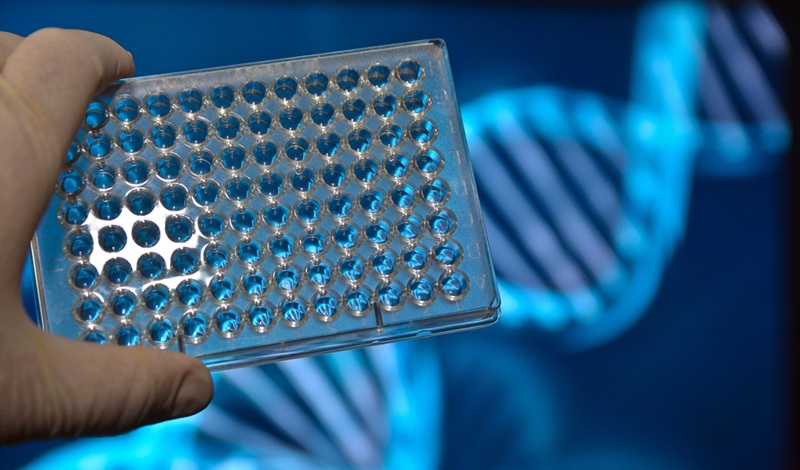
The landscape of rare disease treatment has transformed dramatically over the last decade. Gene and cell therapies that once felt conceptual are now reaching patients:
But scientific promise alone isn’t enough, especially when challenges such as the cost and efficiency of viral vector production remain major bottlenecks.
This is where Canadian innovation shines. Virica Biotech, headquartered in Ottawa, is developing enhancers that increase the efficiency of viral vector manufacturing, making gene therapies more scalable and potentially more affordable. Their work represents a uniquely Canadian contribution to a global challenge, illustrating how local expertise can advance outcomes far beyond our borders. Similarly, the Human Health Therapeutics Research Centre of the NRC is partnering with companies like Virica and working to make cell and gene therapies more affordable for Canadians.
Globally, improved registries and natural history studies are giving researchers clearer insights into disease progression [1]. This data is essential for designing stronger clinical trials and advocating for better health policy—both in Canada and worldwide.
These advances show what is possible when science, technology, and lived experience are aligned around a clear goal.

At Craft Science Inc., we see Rare Disease Day as more than a moment of awareness. It is a call to deepen partnerships across patients, families, clinicians, researchers, and policymakers—so that innovation delivers meaningful, equitable impact.
Canada’s rare disease community—from Saguenay families to biotech innovators like Virica—is showing the world what it looks like to combine lived experience with scientific leadership. The more we design with rare disease communities, not merely for them, the faster we can transform isolated scientific breakthroughs into enduring systems change.
Rare Disease Day 2026 reminds us that progress is possible, and that every step toward better access, stronger infrastructure, and smarter research is a step toward a healthier Canada for all.
References
[1] S. Nguengang Wakap et al., “Estimating cumulative point prevalence of rare diseases: analysis of the Orphanet database,” Eur. J. Hum. Genet., vol. 28, no. 2, pp. 165–173, 2020, doi: 10.1038/s41431-019-0508-0.
[2] M. Haendel et al., “How many rare diseases are there?,” Feb. 2020, England. doi: 10.1038/d41573-019-00180-y.
[3] S. Khawaja, R. H. Ali, I. Ahmed, and M. Umair, “Gene Therapy in Rare Genetic Disorders: Current Progress and Future Perspectives.,” Curr. Genomics, vol. 26, no. 4, pp. 278–289, 2025, doi: 10.2174/0113892029361490250310041259.
[4] B. Cetin, F. Erendor, Y. E. Eksi, A. D. Sanlioglu, and S. Sanlioglu, “Advancing CRISPR genome editing into gene therapy clinical trials: progress and future prospects.,” Expert Rev. Mol. Med., vol. 27, p. e16, Mar. 2025, doi: 10.1017/erm.2025.10.