
January 13, 2026

It is long past time to retire the myth that we need to “get sick” to “train” our immune system. Yes, infections can teach your immune system (if they don’t kill you first), but that lesson often comes at a significant cost—one that is often underestimated.
Let’s start with a clear point: there’s really no such thing as a “good” virus in the wild. When a virus infects us, our immune system learns from the experience, but it also risks collateral damage in the process. Each immune battle can leave behind unintended consequences, from autoimmune disorders to cancer, to long-term inflammatory and neurological complications. Of course, your genetics and environment play a role as well, but the bottom line is that getting sick is NOT the best way to build immune memory to fight off invaders.

Our immune systems actually begin their training from birth, guided not by pathogens, but by “commensal” bacteria‒the normal, healthy friendly microbes we inherit from our mothers during birth, and from breast-feeding. These microbes help shape immune tolerance and recognition, teaching our immune system what is “self” and what is not.
By contrast, every infection forces your immune defenses into crisis mode. First, the innate immune system fires up with fever, inflammation, and cytokine cascades, before the adaptive system takes over, producing antibodies and mobilizing T cells. During that first intense reaction, things can occasionally go awry. Sometimes, the immune system misidentifies parts of your own body, such as pancreatic beta cells, as foreign and produces autoantibodies against them, potentially triggering autoimmune diseases like Type 1 diabetes. The system can also get stuck and lose track of how to call back the defenders after the virus has been suppressed, leading to runaway inflammation and other forms of autoimmune conditions. And while your immune system is rallying the troops and learning how to identify this new invader, the virus has an opportunity to get inside your cells where it can replicate and evade your immune system, sometimes taking up permanent residence.
It’s important to remember that viruses don’t always leave once the fever breaks. Many remain hidden in our cells for years–or for life. Viruses such as herpes simplex (HSV), varicella-zoster (VZV, the cause of chickenpox and shingles), and Epstein–Barr virus (EBV) can lay dormant in the body for years and then reactivate during periods of chronic stress or as the immune system gradually weakens with age (a process known as immune senescence). This gradual aging of immunity reduces our ability to fight new infections and contributes to “inflammaging,” a form of chronic, low-grade inflammation implicated in dementia and other age-related diseases. Microglia, the brain’s resident immune cells, contribute to inflammaging by shifting from protective surveillance to a kind of inflammatory friendly fire, where chronic cytokine release and altered phagocytic function contribute significantly to synapse loss and neurodegeneration.
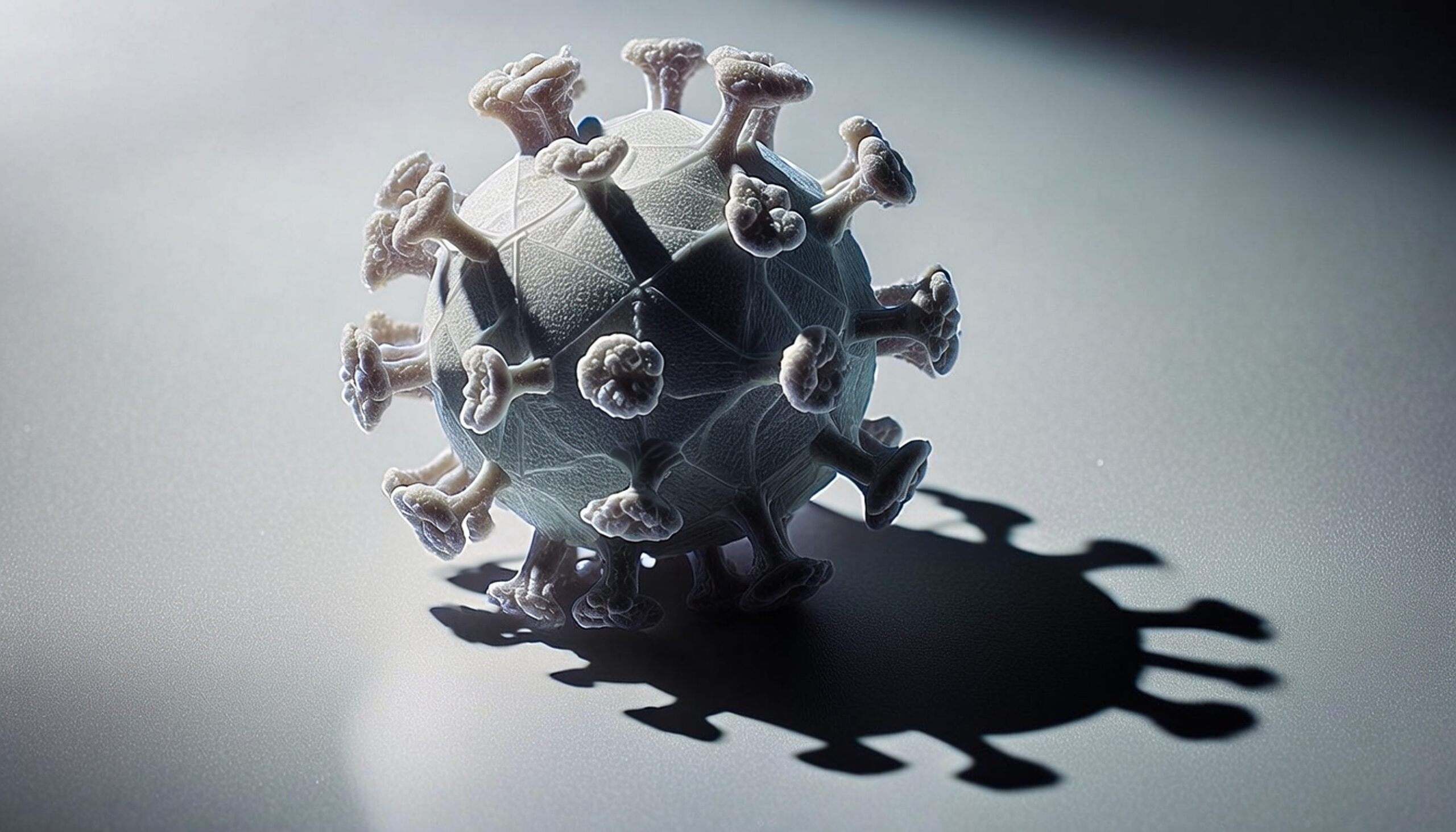
Mounting evidence suggests that viruses play causal or catalytic roles in several neurodegenerative and systemic diseases. For example:
Side note: Think you’ve never had herpes? By the time we hit our 80’s, more than 90% of the population has been infected with either HSV-1 or HSV-2, and most HSV-1 infections are asymptomatic.
Even when infections clear, they can leave a physiological imprint. For instance, measles can suppress immune memory for years, leaving individuals vulnerable to other infections, and in rare cases result in devastating complications from subacute sclerosing panencephalitis (SSPE) years after recovery. While rare, the risk of developing SSPE is 11.2 times HIGHER in children who were infected before the age of 2. Similarly, persistent viral particles are a key factor in Long Covid.
Beyond the brain, infections are a recognized driver for several types of cancer. Viruses like HPV, hepatitis B and C, and EBV are all linked to specific cancers. The dramatic decline in cervical and other HPV-related cancers following vaccination underscores just how preventable these outcomes can be with the right vaccine. Of note, the most recent 9vHPV vaccine covers more forms of HPV and is expected to deliver even greater risk reduction.
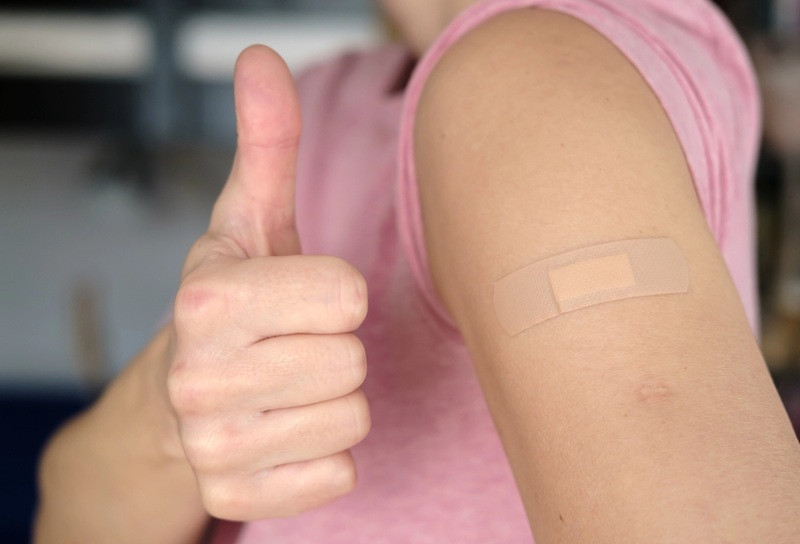
Vaccines are designed to give your immune system a preview” of a pathogen, enough to build lasting defense without putting you through the risks of illness. While no medical intervention is risk-free, the odds are overwhelmingly in favor of vaccination when compared to the real cost of infection.
Even with vaccines that don’t necessarily prevent disease, such as COVID or FLU vaccines, they reduce the risk of hospitalization in the acute phase, and the risk of long-term complications. COVID hits harder in the unvaccinated, not only increasing the risk of severe illness but also the likelihood of post-infection issues like developing diabetes and lipid disorders.
Your immune system doesn’t need a viral workout—it needs the right tools and environment to stay sharp. Support it with vaccines, good nutrition, restful sleep, and by avoiding unnecessary infections. If you’re sick, stay home (or mask) so you aren’t putting others at risk.
Because while your immune system can learn from disease, there are far better teachers.